Pā Kotakī II Suite
This improvisation is based on the theme and rhythmic matrix of a particular Kurdish dance, of which there are about ten different versions. It is named “Pāykūbī” (literally “tapping one’s foot against the floor”) in reference to the dance steps performed. The opening of this piece is quite particular: both fluid and irregular, it gives the impression of a mechanism that starts up in order to set itself in motion.
Once the theme has been presented, Ostad Elahi introduces variations and sketches other melodies that then dissolve back into the main theme. He does not merely play each piece one after the other; he also melds and coordinates them, sustained by an invariable bass that is the counterpoint to the execution of the masterfully sequenced airs.
Most of these melodies are usually played on the zurnā (oboe) or the dozaleh (double clarinet), accompanied by a powerful dohol (two-sided drum). Prior to Ostad, it seems that these pieces had never been played on a tanbur. The adaptation of these melodies to this lute and their ornamentations, typical of wind instruments, was another of his innovations. While playing these melodies requires an exceptional technique, perhaps even more remarkable are the host of innovative techniques that enable him to reach a barely conceivable level of musical intensity on this three-stringed lute.
Pā Kotakī II Suite
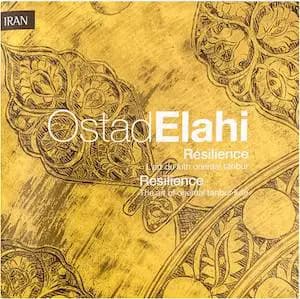
Resilience