Kākā Redāī followed by the Saharī Suite of Seyd Khāmūsh
Kākā Redā was one of the close companions of Shāh Khoshīn, who was among the 11th century theophanies according to the Ahl-e Haqq. It is due to Shāh Khoshīn that the tanbur became the choice instrument for expressing spiritual love. The spare structure and slow tempo of the mode make it difficult to perform. There is immense delicacy in Ostad’s highly-individualized ornamentation. The language of his music is transcendent, a supplication addressed to the Beloved, an intimate conversation tinged with sweet gentleness and closeness, yet containing within it strong energy and high tension.
Seyd Khāmūsh, who occupied the rank of an archangel, lived around the 15th century. His name has been attributed to a mode presenting certain analogies to Kākā Redāī, but the mystery as to its precise author remains. In general, it’s difficult to know the extent to which tunes named after holy figures were actually part of their personal creation or a tribute to them. Whatever the case may be, their music is present in the history of the Ahl-e Haqq, with nostalgia, lamentations, and the never-ending quest for the Beloved as recurring themes throughout.
Kākā Redāī followed by the Saharī Suite of Seyd Khāmūsh
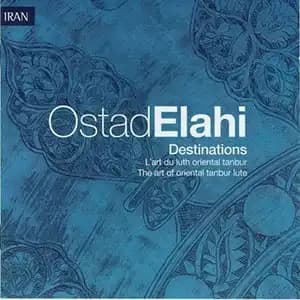
Destinations