
Wālā Wītāna
This piece is given an unexpected and original interpretation, reminiscent at times of the variations on the same theme found in the Najaf melody (see Track 1). Although it is a modal piece, dominant and tonic alternate. The first section is prolonged by a prayer Ostad particularly liked, inspired by a basic melody (gūshe) of classical Iranian music called Mansūrī. The sung text is a prayer from one of spiritual companions of Shāh Khoshīn, a great Kurdish saint from the 11th century who elevated the tanbur to a sacred level.
In this prayer, the poet expresses his exclusive love for the divine:
You were my beginning, You will be my end
You have drawn me from a drop of water
I care not about Your paradise or Your hell
My only hope is that You will always be with me.
The melody in the next section was arranged by Ostad based on verses from Pīr Razbār, a revered Kurdish saint of the 14th century. Her poetry expresses the spiritual state of those who travel across the “plain” of passion in search of the divine, overwhelmed by divine love to the point of directly invoking Him in simple words, which begin as follows:
Eshq-e Haqq wa sar sheet-e wītāna
Wa[Cha] manzelgātān kām djā djītāna
They are in love with Truth, those whom we call enamored with God
What place shall you hold in eternity?
This section is followed by Mobārak Bādā. A change of color and atmosphere transpires, as the overall tone becomes more nostalgic. Several themes are brought together in a passage rich with polyphonies, harmonies, nuances, and rhythmical shifts. This, in turn, is followed by a variant of Zang-e Shotorī—a soft, melodic, and serene piece whose gentle swaying evokes the marching of camels in a caravan. This musical form is found in classical Persian music as well.
Wālā Wītāna
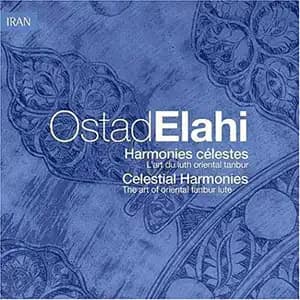
Celestial Harmonies